Showing posts with label health news. Show all posts

Monday, May 2, 2011

Last-minute exam stress can actually help students to form stronger memories


It runs counter to all the received wisdom about revision. But now scientists say cramming at the last minute could actually be better than spending months swotting up for exams.

According to the latest research, hormones produced under stress cause changes to our brain cells that can help memories to be stored more efficiently.

Stress hormones cortisol and adrenaline alter the way genes inside neurons function, researchers have discovered, enhancing their learning ability.

Professor Hans Reul, a neuroscientist at the University of Bristol, said that the findings suggest students' learning could actually be improved by studying when feeling the pressure of a deadline.

Cortisol and adrenaline appear to boost a mechanism known as epigenetic modification that 'reprograms' neural DNA, he said, increasing or decreasing the expression of certain genes.


Read more:
http://www.dailymail.co.uk/sciencetech/article-1382936/Last-minute-exam-stress-actually-help-students-form-stronger-memories.html#ixzz1LGIzVdDj

Wednesday, March 2, 2011

HIV women take photos to document their lives


A picture may be worth a thousand words, but for women living with human immunodeficiency virus (HIV), the virus that causes AIDS, a picture can help them deal with the challenges of living with the virus.

A University of Missouri researcher is completing a pilot project during which women living with HIV take photos to document their lives. The photos are used to engage women in critical discussions about their lives, identifying both social, mental, and physical challenges and possible solutions for the women. The photos will be presented at two special events. The first event will be held on March 3-6 in Columbia at the True/False Film Festival. The second event will be held on March 19 in St. Louis at the Regional Arts Commission to commemorate National Women and Girls HIV/AIDS Awareness Day..


Read More
http://www.news-medical.net/news/20110301/HIV-women-take-photos-to-document-their-lives.aspx

Tuesday, January 18, 2011

One in 16 U.S. surgeons consider suicide: survey


FILE - In this April 29, 2008 file photo, Dr. Robert Lehmberg is seen in Little Rock, Ark. A study shows surgeons are more likely than others to contemplate suicide, yet few seek help. Lehmberg, 63, said it took prodding from close friends to finally get him to seek treatment for depression and suicidal thoughts several years ago. He feared losing his license and being stigmatized, neither happened, and he said medication and psychotherapy have greatly helped.

Read more:
http://www.kansascity.com/2011/01/17/2590045/study-errors-lead-surgeons-to.html#ixzz1BS8rUCU9


A considerable number of U.S. surgeons struggle with thoughts of suicide, with burnout and past medical errors as possible reasons, according to a survey covering thousands of surgeons.

A team led by Tait Shanafelt of the Mayo Clinic in Rochester, Minnesota found that more than 6 percent of surgeons had thought about killing themselves within the past year.

Among those aged 55 to 64, the number was three times higher than national levels for that age group.

"What we are seeing through this work is that there is a high amount of burnout and stress among America's physicians, with potentially serious consequences for both physicians and their patients," Shanafelt said.

"It isn't necessarily that having thoughts of suicide endangers patient health, but some of the same root causes, particularly burnout, do appear to have a strong relationship with quality of care."

In a survey published last year, Shanafelt's team found that surgeons who reported high degrees of emotional exhaustion on the job also had higher odds of making major errors when they dealt with patients.

The same survey, based on responses from more than 7,900 physicians, for the current study, which appears in the Archives of Surgery.

While younger surgeons had rates of suicidal thinking that were similar to those in the general population, between 6 and 7 percent, those older than 45 were at increased risk.

Among those 55 to 64 years old, 7 percent of surgeons had considered suicide within the past year, compared to about 2 percent of the general population.

Doctors who felt burned out, or said they'd made a "major medical error" in the past 3 months, were more prone to suicidal thoughts.

Married surgeons, and those working in large university-based medical centers, were at lower risk for suicidal thoughts.

The survey also showed that only a fourth of the troubled surgeons had sought professional help, with most saying they hadn't out of fear of losing their medical license.

Instead, some chose to self-prescribe antidepressants or have friends do it for them.

"We've known for some time that physicians are at greater risk for suicide than other professions, although why that is has never really been understood," Shanafelt told Reuters Health.

According to the National Institutes of Mental Health, there were about 11 suicide deaths per 100,000 Americans in 2007.

Read More

http://www.reuters.com/article/idUSTRE70H7N520110119

Sunday, January 16, 2011

86 Teens Pregnant at One Memphis High School


A new campaign to prevent teen pregnancies has been launched in Memphis in response to a huge spike in expectant mothers at one area high school.

According to recent statistics, 86 students at Frayser High School are pregnant or have given birth in the last year, myfoxmemphis.com reported.

The new campaign – called “No Baby!” – is designed to educate both teenage girls and boys about how to prevent and deal with unplanned pregnancies. The program is also tailored to give girls the confidence to “just say no” to sex.

"Right now, these girls don't know how to say ‘no,’ they're having sex when they don't want to, they just don't know how to say ‘no,’" Deborah Hester Harrison with Girls Inc., which is a nonprofit group, told the news station.

Another concern for these young mothers is the lack of prenatal care.

“A lot of these girls aren't developmentally ready to be really effective parents, and that affects the child's development,” Marc Goodman-Bryan with the Urban Child Institute said.

Dr. Manny Alvarez, senior managing health editor of FoxNews.com and Chairman of the Department of Obstetrics and Gynecology and Reproductive Science at Hackensack University Medical Center in New Jersey agrees and said those issues are just the beginning.

“Teen pregnancies are high risk. For some of these girls, the risk factors include premature delivery, pregnancy-induced hypertension and many times, you have a higher incidence of Caesarean sections due to cephalopelvic disproportion, which happens when a the fetus is too large to fit through the pelvis.”

Last month, U.S. health officials released new government figures for 2009 showing 39 births per 1,000 girls, ages 15 through 19 — the lowest rate since records have been kept on this issue Yet, the sobering context is that the teen pregnancy rate is far lower in many other countries.

The most convincing explanation is that contraceptive use is much higher among teens in most Western European countries.

Harrison said the teen pregnancy rate for Memphis fluctuates between 15 and 20 percent, which is almost twice the national average.

In the school’s zip code – the pregnancy rate is about 26 percent.

"We're looking at ways to combat it, and we're trying to combat it in the area where the need is the greatest," Harrison said.

In addition to the “No Baby!” campaign, Memphis school officials are also looking at ways to combat this problem by hiring new social workers, putting new programs in place, as well as providing support for teenage moms.

“It’s upsetting that we continue to see the rates of teen pregnancy ticking up in certain areas,” Alvarez said. “I think we really need to focus on education – that’s really the key.”


Read more:
http://www.foxnews.com/health/2011/01/14/teens-pregnant-menphis-high-school/#ixzz1BGmjusi7

Tuesday, December 28, 2010

Study highlights insomnia in young


More than a third of young people in Scotland suffer from insomnia, a charity has claimed.

The Prince's Trust said young Scots are also facing increased mental health problems such as panic attacks, self-loathing and depression.

The charity's third annual Youth Index, which measures children and teenagers' happiness suggested 35% had sleep disorders.

Around one in five of the 128 people who took part in the survey - 22% - said they felt depressed "all" or "most" of the time, and one in six - 18% - had self-harmed.

Over a quarter - 26% - said they felt insecure all or most of the time, while 24% said they felt isolated.

Geraldine Gammell, director of The Prince's Trust Scotland said the findings could be due to unemployment, which she said was a "very real and frightening" experience for young people.

Across the UK, almost half of unemployed respondents - 48% - said not having a job caused anxiety and depression and led them to self-harm.

Ms Gammell said: "Unemployment presents a very real and frightening mental health problem for young people in Scotland - and the longer they are out of work, the greater the risk.

"The Prince's Trust can help vulnerable young people back on their feet and into work, building motivation and self-esteem."

Read More

http://www.warwickcourier.co.uk/news/study_highlights_insomnia_in_young_1_2214501

Monday, December 27, 2010

Call to 'tag' bottles of alcohol in Scotland


Scottish Labour have called on local licensing boards to enforce the "tagging" of bottles of alcohol to help reduce under-age drinking.

Under the scheme, off licences are given a unique code to mark bottles so they can be traced to a specific store.

If under-age drinkers are found with a tagged bottle, officers can check the shop's CCTV to see who bought the alcohol.

The Scottish government said tagging was an "operational matter" for police.

A tagging scheme is currently in place in parts of Dundee after being introduced by Tayside Police, working with Dundee City Council and local off licences.

Scottish Labour said it was urging licensing boards to use bottle tagging in other "hot spot" areas where under-age drinking and antisocial behaviour have been found to be a problem.

Antisocial behaviour

Labour's Community Safety spokesman James Kelly said: "Under-age drinking can all too often be a direct cause of antisocial behaviour in communities across Scotland.

"This innovative but simple approach will hopefully help bring to justice those peddling booze to young people."

Mr Kelly said those who supplied alcohol to young people needed to realise that they were often "fuelling antisocial behaviour" as well as breaking the law.

He added: "The SNP may be happy to turn a blind eye to antisocial behaviour, but Labour is not. I urge licensing boards to adopt this new approach to hammer home the message that supplying under-agers with alcohol is never acceptable and will not be tolerated."

The Scottish government said it had always encouraged police to make use of bottle tagging in the fight against under-age drinking.

A spokesman said: "As an intelligence-led tool, it can help forces crack down on the problem by proving that certain shops are selling alcohol to under-18s.

"Bottle-tagging remains an operational matter for police, often deployed during targeted exercises against under-age drinking. However, we would caution against the blanket deployment of this measure, to ensure it remains effective."

The Scottish Conservative party said it had "reservations" about the practicality of the bottle tagging scheme and that it should be made more difficult for people to buy alcohol for under-age drinkers in the first place.

Read More

http://www.bbc.co.uk/news/uk-scotland-12083695

Thursday, December 16, 2010

Humans, Like Animals, Are Fearless Without Amygdala


In the 1930s, researchers discovered that when a certain part of monkeys’ brains were removed, the animals became fearless. They approached snakes, started batting them around like sticks and played with their hissing tongues.

This experiment has been repeated in animals numerous times, and the scientific consensus is that when the amygdala is removed, an animal loses any sense of fear.

Now, scientists have confirmed that a missing amygdala results in similar behavior in humans, according to a study in the journal Current Biology.

“There’s not very many humans with this sort of brain damage,” said Justin Feinstein, the study’s lead author and a clinical neuropsychologist at the University of Iowa. “Luckily for us, we had access to a patient, SM, and we studied her different fear behaviors and we read her personal diaries.”

Patient SM, due to a rare condition called lipoid proteinosis has holes where her amygdala would normally reside. Researchers found that she, like the monkeys, has no fear of creatures like snakes and spiders, which ordinarily alarm people.

But while this behavior is relatively benign, the researchers also found SM putting her life at risk. In one instance, she walked through a park alone at night and was attacked by a man with a knife.

“The following day, she again walked through the same park,” Mr. Feinstein said.

Mr. Feinstein and his colleagues are trying to coach the patient to behave in a more cautious manner. They also believe that understanding how the mind of a patient like SM works could help researchers develop therapies for individuals who express excessive amounts of fear, like war veterans.

“We may be able to dampen the effects of the amygdala,” he said. “We can do that through psychotherapy and possibly through medication.”

Read More

http://www.nytimes.com/2010/12/21/science/21obbrain.html

Monday, December 13, 2010

Kids living in apartments at risk of passive tobacco smoking


Children living in multi-unit apartment buildings are at higher risk of passive tobacco smoking than those living in detached houses, a new study in the Jan 2011 issue of Pediatrics suggests.

The study led by Karen Wilson, MD, MPH, of Pediatrics at the University of Rochester Medical Center's Golisano Children's Hospital found children living in apartments had 45 percent higher exposure to passive smoking.

For the study, the researchers analysed data on cotinine, an alkaloid found in tobacco and also a metabolite of nicotine in more than 5,000 children ages 6 to 18 in a national database.

Cotinine levels were found highest in children who were under age 12, black and of a family with its income below the federal poverty level.

Children are believed to be more vulnerable to passive smoking and exposed children were at higher risk for various illnesses including respiratory infections, asthma and sudden infant death syndrome among others.

But not all children suffer the same.

Another study led by Schultz E.N. and colleagues from the University of Western Australia in Perth, Australia suggests genetics plays a role in the vulnerability of a child to certain tobacco smoke-induced health conditions.

The researchers reported in the Nov 2010 issue of the Journal of Asthma that the glutathionine S-transferase (GSTs) enzymes play a critical role in the detoxification of tobacco smoke compounds, which boost risk of asthma among other things.

Genetic variation in the GST genes influences a child's ability to detoxify the smoke pollutants, according to the study.

Cigarette smoke contain more than 7,000 chemicals and hundreds of them are toxic and more than 70 are cancer-causing agents, according to a report released recently by the Surgeon General.

Read More

http://www.foodconsumer.org/newsite/Non-food/Lifestyle/tobacco_smoking_1312100810.html

Thursday, December 9, 2010

Secondhand smoke tied to childrens' poor mental health


The evidence is piling up that parents who smoke really should quit -- or at least not smoke at home, a study said.

Children who breathe secondhand smoke are more likely to struggle with mental health problems, especially hyperactivity and "bad" behavior, according to the study, published in the Archives of Pediatrics and Adolescent Medicine.

While the findings add urgency to the push for parents to quit smoking or at least smoke outside the home, it remains unclear whether tobacco fumes actually take a toll on childrens' brains or if something else is at play, said researchers led by Mark Hamer of University College London.

"We know that exposure to secondhand smoke is associated with a lot of physical health problems in children, although the mental health side has not been explored," Hamer told Reuters Health in an e-mail.

In the United States, two of every three children between the ages of three and 11 are exposed to secondhand smoke. Meanwhile, one in five children aged nine to 17 have been diagnosed with some kind of mental or addictive disorder, according to the U.S. department of Health and Human Services.

Hamer and his colleagues studied 901 nonsmoking British children between the ages of 4 to 8, measuring levels of a byproduct of cigarette fumes in the childrens' saliva to gauge smoke exposure and having parents fill out a questionnaire about the childrens' emotional, behavioral and social problems.

The more secondhand smoke a child took in, on average, the poorer their mental health -- particularly for hyperactivity and conduct disorder, or so-called "bad" behavior, the study said.

Overall, about three percent of all children received "abnormal" scores of 20 or more on the Strengths and Difficulties Questionnaire, a 40-point scale with the highest scores representing the poorest mental health.

Compared to the 101 children who breathed in the least secondhand smoke, the 361 with the most exposure scored an average of 44 percent higher on the questionnaire -- 9.2 versus 6.4. Children were most likely to breathe secondhand smoke in their own homes.

The gap remained after researchers accounted for other factors that could affect mental health such as asthma, physical activity and the families' income and housing situations, although they noted that some unmeasured factor also couldn't be ruled out.

It also isn't yet clear how secondhand smoke might trigger mental troubles, though researchers suggested it could be due to genetics or possibly related to smoke's effects on chemicals in the brain such as dopamine, and Hamer noted further research is needed.

But Michael Weitzman at New York University Medical Center, who was not involved in the study, said the results strengthen the evidence that secondhand smoke, and possibly prenatal exposure to tobacco, causes mental health problems in children.

"Many people now recognize that childrens' secondhand smoke exposure increases their risk for Sudden Infant Death Syndrome, ear infections and asthma," he told Reuters Health in an e-mail.

"But secondhand smoke also poses a huge burden on the quality of life of children, their families and the larger society due to increased child mental health problems."


Read More

http://www.reuters.com/article/idUSTRE6B80N320101209

Tuesday, November 30, 2010

American loses over a stone on 'potato diet'


An American who ate nothing but potatoes for two months has astounded nutritionists by claiming to be healthier than when he started.

Chris Voigt, 45, who is head of the Washington State Potato Commission, embarked on his "spud diet" in an attempt to show that the vegetable is high in nutrients.

He was protesting against the US Department of Agriculture which is due to release new, more diverse school lunch menus replacing potatoes with other vegetables.

Mr Voigt, who was more than 14 stone at the outset, said that by eating only potatoes he had lost a stone and a half

He also reduced his blood sugar level and his cholesterol dropped by more than one third.

He said: "I've been struggling being borderline high cholesterol for four or five years. I absolutely feel great. I've always had lots of good energy on this diet, I've had no strange side effects, I sleep well at night."

During the diet he consumed 400lbs of potatoes, about 20 individual vegetables a day.

He ate them boiled, mashed, sliced, fried and roasted. On Thanksgiving he crafted mashed potato into the shape of a turkey and carved it.

Mr Voigt said potatoes have more potassium than bananas, and that one serving provides roughly 45 per cent of the daily recommended value for Vitamin C.

The only negative health impact was a lack of some fat-soluble vitamins such as Vitamins A and E, he said.

He accepted that a diet of just potatoes was not sustainable in the long term but said his experiment had shown how "truly healthy" the vegetable is.

Despite eating so many potatoes Mr Voigt said he still loves them.

He celebrated the end of his 60-day diet with a meal of fajitas and tacos, and some grilled potatoes.

Read More

http://www.telegraph.co.uk/news/worldnews/northamerica/usa/8172056/American-loses-over-a-stone-on-potato-diet.html

Thousands of moustaches face the chop as Movember ends


Merv Hughes' moustache is an inspiration to many


Over the last 30 days or so they've appeared silently on the faces of tens of thousands of men across the country.

They are known as Mos - or moustaches to the uninitiated - and they have turned November into Movember.

They've been grown to raise money for - and awareness of - prostate cancer.

But as Movember draws to a close, it will be hair today and gone tomorrow when the razors come out and the moustaches disappear.

The idea for Movember was hatched in Melbourne, Australia in 2003.

Taking their inspiration from the pink ribbon breast cancer awareness campaign, a group of friends decided to grow moustaches for the month of November, partly for fun and partly to raise awareness of issues around men's health.

Within a few years the campaign had exploded worldwide.

Powered by social networking and a slick website, Movember spread from Down Under to include New Zealand, Canada, the USA and Ireland.

The UK got in on the act in 2007 when around £1m was raised for the main beneficiary, The Prostate Cancer Charity.

This year more than 110,000 people have registered on the website and so far they've raised around £6.1m, although the charity believes that the final figure could be closer to £10m.

The rules are simple.

You start with a clean shaven face on November 1st, and you don't shave your top lip until November 30th.

There are no beards, no goatees and no joining up sideburns with a 'tache.
The Clark Gable

Sports stars, celebrities and politicians have all been sporting moustaches, but it is very much a grass roots movement.

Mike Orchard of Froxfield in Hampshire has been growing what he hopes is a sophisticated Clark Gable affair after being introduced to the world of Movember by a friend.

"There are a bunch of us around the village doing it.

"We have a mutual support group where we get around and have a good laugh at each other.

"Generally speaking, most people react with horror, but when you explain, they get it."

Mike's wife Frances is not so impressed however.

"Her most coherent remark has been she can't wait for November to be over!"
The Hairy Biker

Christian Heap is another convert.

He's gone for a big handlebar effort, releasing his inner biker.

"It's pretty fair to say the first two weeks, I was thinking what am I doing?

"I was really uncomfortable with it.

"Then the next 10 days you get into it but the last three or four days I've been dying to get rid of it.

"My wife Nicky is looking forward to the 1st of December more than me."
It's all for charity, mate

Movember has proved to be a huge boost to The Prostate Cancer Charity both in terms of a sudden surge in their income as well as raising awareness of the disease among notoriously hard to reach men.

"We can get to guys in their 30s and 40s in a way that has just not been possible," says Mark Bishop, the charity's director of fundraising.

"This is a movement for men, rather than a campaign.

"250,000 men are living with prostate cancer each year; 10,000 will die each year.

"Men are acting proactively around their health in a way we've not seen before.

"The truth is many guys find it tough to take health messages on board, particularly when it's about down below."

So after a month of itchyness, ridicule and the uncomfortable feeling that people are staring, thousands of men are now preparing to shave off their moustaches.

And who knows, next year - if the BBC is willing to put me on air with a 'tache - I may even be one of them.

If you have any queries about prostate cancer, call The Prostate Cancer Charity's confidential Helpline 0800 074 8383 which is staffed by specialist nurses and open from 10am to 4pm Monday to Friday and Wednesdays from 7 - 9pm

Read More

http://www.bbc.co.uk/news/health-11866011

Thursday, November 25, 2010

Secondhand smoke kills 600,000 a year worldwide


Secondhand smoke sickens millions and kills more than 600,000 people worldwide each year, including more than 165,000 children under 5, according to the first report to estimate the worldwide burden of disease and death from tobacco.

The World Health Organization's report on 192 countries appeared in The Lancet on Thursday and found more than half of the deaths are from heart disease, followed by deaths from cancer, lung infections, asthma and other ailments.

More than two-thirds of the children's deaths are in Africa and Asia, where they have less access to important public health services, such as vaccines, and less advanced medical care, the report says.

"These (statistics) are sad data," the American Cancer Society's Tom Glynn says.

Tobacco kills a total of 5.7 million people worldwide each year, including 5.1 million people who die from their own smoking, the report says. Smoking is the world's leading cause of preventable death, according to the WHO.

Growing concern about secondhand smoke has led more than 40 countries to enact some kind of smoking ban, although many of these laws are limited, according to Americans for Nonsmokers' Rights.

In the USA, 35 states, the District of Columbia, Puerto Rico and Northern Mariana Islands have smoke-free laws, protecting 79% of the population.

According to the new report, children are particularly vulnerable. About 40% are exposed to secondhand smoke, along with one-third of adults. Kids exposed to secondhand smoke are at higher risk of a variety of illnesses, such as asthma, pneumonia, ear infections and sudden infant death syndrome.

Almost half of all deaths from secondhand smoke are in adult women, while 28% are in children.

"The combination of infectious diseases and tobacco seems to be a deadly combination for children," the report says.

Because researchers used conservative estimates, the report may underestimate the number of secondhand smoke-related deaths, says Stanton Glantz, director of the Center for Tobacco Control Research and Education at the University of California-San Francisco.

Glynn says he does see "glimmers of hope" in the report. Smoking bans protect only 7% of the world's population, suggesting lawmakers could save many lives by passing smoking bans, he says.

The bans can have dramatic benefits, the report says. Heart attack rates drop 10% to 20% in the first year after the bans are enacted.

Studies show smoke-free laws encourage smokers to quit and to make their homes smoke-free, Glynn says.

"There is virtually no parent who does not care deeply about protecting their children from harm," he says. "They will do the right thing if made aware."

Read More

http://www.usatoday.com/yourlife/health/medical/2010-11-26-smoke26_st_N.htm

Wednesday, November 24, 2010

More Protein, Fewer Refined Carbs May Keep Weight Off


If you've worked hard to shed those extra pounds and want to keep the weight off, a new Danish study suggests that you consider eating more protein and fewer refined carbohydrates.

Based on the findings, the researchers advise consuming mostly what's known as low-glycemic index carbohydrates, such as whole-grain breads. The glycemic index (GI) is a measure of the ability of carbohydrates to increase blood glucose levels; those with a low GI cause blood levels to increase more slowly, explained Dr. Thomas Meinert Larsen, a co-author of the study, published in the Nov. 25 issue of the New England Journal of Medicine.

What is it about the high-protein, low-glycemic index carbohydrate diet that keeps weight under control? "Possibly a stronger satiating effect and more balanced blood sugar regulation," Larsen hypothesized.

With his colleagues, Larsen evaluated 938 adults with an average body-mass index (BMI) of 34, which is considered obese. In all, 773 completed the initial weight-loss phase and then were assigned to one of five different maintenance plans:

* Low-protein diet, (13% of energy) with a high GI
* Low protein, low GI diet
* High protein (25% of energy), low GI diet
* High protein, high GI diet
* Control group, which got no special instructions

During the weight-loss period of eight weeks, participants lost an average of 24 pounds. All five maintenance diets had a moderate fat content, about 25 percent to 30 percent of total calories. After six months, Larsen's team found that the 548 who completed the program had an average weight regain of 1.2 pounds.

Those in the low-protein/high-GI group showed the worst results, the researchers found, with a weight gain averaging 3.6 pounds. Those on the low-GI diet had an average weight regain of 2 pounds less than those on the high-GI diet.

"Thus, we have ourselves been quite hesitant to advocate the use of glycemic index," Larsen said. "But our new data, based on the largest randomized study on this topic ever, shows that, indeed, GI is of importance."

So what is a typical high-protein, low-GI diet? According to Larsen:

* Breakfast of natural, unflavored yogurt low in fat and fairly high in protein, with muesli, whole-grain crisp bread with low-fat cheese and an orange.
* Vegetable sticks and low-fat cheese sticks for a snack.
* Lunch of whole-grain rye bread with lean meat or chicken cold cuts, mackerel in tomato sauce and vegetables
* Whole-grain rye bread with low-fat liver pate and cucumber for a snack.
* Dinner of stir-fried turkey with vegetable and whole-grain pasta; avocado salad with feta cheese and sugar peas.

"These newer approaches may be more effective than conventional approaches in weight maintenance," said Dr. David Ludwig, director of the Optimal Weight for Life Program at Children's Hospital in Boston, who wrote an editorial to accompany the study.

"There has been considerable controversy over the role of glycemic index in general, and obesity treatment in particular," he said. "This study provides very strong, supportive evidence for the importance of this low-glycemic concept."

It's not difficult, he said, to shift from high-glycemic foods to low-glycemic foods. "It's shifting to somewhat less processed carbohydrates and, importantly, not making the carbohydrate the only thing you are having at the meal."

As for boosting protein, he said, "we're not talking about a 16-ounce slab of prime rib" or the very high levels of protein popularized in some low-carb diets.

Read More

http://lpi.oregonstate.edu/infocenter/foods/grains/gigl.html

Tuesday, November 23, 2010

'Only 3 lakh HIV+ patients have access to life-saving drug'


Around 1.2 lakh Indians got infected with HIV last year, even though the incidence rate of new cases has fallen in the country by over 50% in the last decade. At present, India, which has 2.4 million HIV patients, ranks third after South Africa and Nigeria. However, the country's HIV prevalence is still low at .31% — from .36% in 2006.

Be that as it may, though seven lakh HIV+ Indians require the life-saving anti-retroviral (ART) drugs, only three lakh have access to the medicine. As far as mother-to-child transmission of HIV is concerned, India recorded 18,000 pediatric HIV births off 65,000 HIV+ mothers. India records 27 million pregnancies a year.

These are the latest data from the 2010 AIDS epidemic report — the most comprehensive report on a single disease that was released by UNAIDS on Tuesday. For the first time, experts say the HIV epidemic is on the wane. At least, 56 countries have either stabilised or achieved significant fall in rates of new HIV infections.

"For the first time, we can see the world beginning to truly reverse the AIDS epidemic. Globally, it had peaked in 1999-2000. In Asia, it had peaked in 2003-04. The biggest problem in India is that too many people don't know that they are infected with HIV. Every HIV case is preventable and to have 1.2 lakh new infections in India show that we are not doing enough," said Dr Charles Gilks, who heads UNAIDS in India. He added, "It is vital that India focuses on prevention as cost of treatment will continue to increase."

Not only has new HIV infection rate fallen by nearly 20% in the last 10 years to 2.6 million in 2009 (3.1 million people had got infected in 1999), but AIDS-related deaths have also come down by nearly 20% in the last five years. In 2009, 1.8 million people died from AIDS-related illnesses, down from 2.1 million in 2004.


Read more:

http://timesofindia.indiatimes.com/india/Only-3-lakh-HIV-patients-have-access-to-life-saving-drug/articleshow/6979246.cms#ixzz16AcEMoeP

Wednesday, November 17, 2010

Doctors fear COPD to be a major health issue in years to come


Even as India has observed, for the first time, the World COPD Day on November 17, underlining its potential as a leading cause of mortality in the country, doctors fear that the silent disease can become a major health issue in the years to come.

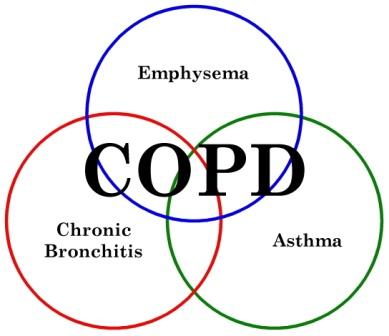
COPD (Chronic Obstructive Pulmonary Disease) is a chronic lung disease, caused by exposure to smoke and pollution, which progressively worsens over time. The cost of care could well exceed that of diabetes, high BP and even heart diseases.

Dr Sanjeev Mehta, governor, American Council of Chest Physicians in India and chest physician at Lilavati Hospital (Mumbai) said that pollution and tobacco smoking are overwhelmingly important risk factors causing the continuing deterioration of lung function and disease progression in COPD. Other risk factors include passive smoking and exposure to dusts and chemicals. Therefore, the lung function in Indians is much less than that of international normal values.

“COPD is a silent killer, more than half of the people suffering from COPD in India are not diagnosed and there is need to create greater awareness about this disease and its symptoms and encourage patients to seek lung function testing,” Dr Mehta said.

COPD is a little-known, but widespread disease and a major cause of health care burden worldwide. Shockingly it is the only leading cause of death that is increasing in prevalence. The onset of winter increases the attacks of COPD and worsens the condition of the disease.

On the occasion of World COPD Day, Dr Mehta informed that new treatments have become available recently that have significantly improved the health of our patients. He warns that ignoring the common cold and cough that are rampant in this season could aggravate COPD and lead to dangerous consequences such as respiratory distress and hospitalisation. Each attack of COPD is like a heart attack; preventing such attacks saves the lung from further damage.

COPD in India has been recognised and investigated with the help of small surveys conducted in the different population for the last 40 years. 5-15 per cent of Indian population in metros suffers from respiratory disorders. It is expected that a greater segment of population in India will be prone to this deadly disease within the next few years. Globally by 2020, COPD is expected to rise to the third position as a cause of death from the present sixth position. This could well be the situation in India too.

The American College of Chest Physicians (ACCP) is planning to conduct physician’s workshops across India in addition to organising campaigns to increase awareness and stress the importance of preventive strategies for the dreadful disease. ACCP is a medical organisation consisting of physicians and non-physician specialists in the field of chest medicine, which includes pulmonology, thoracic surgery and critical care medicine.


Read More

http://www.pharmabiz.com/article/detnews.asp?articleid=58390&sectionid=

Case of Cholera in Florida Is Linked to Haiti Outbreak


MIAMI — The first known case of cholera in the United States linked to the outbreak in Haiti was confirmed Wednesday by health officials who said a southwest Florida woman contracted the disease while visiting family in a region at the heart of Haiti’s epidemic.


The Florida Department of Health was investigating several suspected cases of the disease elsewhere in the state. They were not believed to be connected to the verified patient, who sought treatment this month at a hospital emergency room in Collier County. The woman spent five days in the hospital after developing diarrhea and dehydration, classic symptoms of cholera, following her return from Haiti, where she had spent time in the Artibonite region. She is expected to recover fully.

“We are lucky in the state of Florida, and the U.S. generally, to have a very sound infrastructure for our food, water and sewage,” said Rob Hayes, spokesman for the Florida Department of Health. “With that in place, and with our aggressive public health practices, we are not concerned about this being a significant public health threat.”
The arrival of cholera in Florida had been considered inevitable for a state that is home to at least 250,000 people of Haitian descent — large numbers of whom travel to and from the island nation — and a jumping-off point for aid workers.

Travel has increased since a deadly earthquake in January flattened parts of Port-au-Prince and left an estimated 1.3 million people homeless, necessitating huge aid efforts from overseas.
Last week, the Florida Department of Health issued an advisory to medical professionals alerting them to the symptoms of cholera and urging swift testing and early treatment.

Yet unlike in Haiti, where access to clean water is limited and sanitation services largely absent, conditions in the United States are not considered conducive to a wide-scale spread of the disease.
Cholera is typically spread through water or food that is contaminated by the bacterium Vibrio cholerae. In an epidemic, the source is usually the feces of an infected person.

“One should never say, ‘No problem, no big deal, forget about it,’ because that looks cavalier,” said Dr. Anthony S. Fauci, director of the National Institute of Allergy and Infectious Diseases. “But in order for cholera to be a threat to the general public there has to be both a source and conditions conducive to the propagation of the disease. “Though we shouldn’t be careless, it’s extremely unlikely — vanishingly unlikely — that we will have a cholera problem in Florida,” Dr. Fauci said.


Read More

http://www.nytimes.com/2010/11/18/us/18florida.html

Friday, November 12, 2010

Cigarettes to carry grim warnings


In the first major change to cigarette packaging in a quarter-century, the Food and Drug Administration said Wednesday it would require graphic warning labels that cover half a package's front and rear and the top 20% of all cigarette ads.

The labels will feature either drawings or photos illustrating graphically the dangers associated with smoking and will be accompanied by text stating that smoking is addictive or that it kills. The pictures feature such things as a diseased lung, a corpse and a man smoking a cigarette through a tracheotomy tube. They are not quite as grim as some used in other countries, but regulators hope they will be sufficiently frightening to keep young people from beginning to smoke and to strengthen the will of those who are attempting to quit.

"We want to make sure every person who picks up a pack of cigarettes knows exactly what the risk is they are taking," Health and Human Services Secretary Kathleen Sebelius said at a news conference.

Current regulations require only a written warning on the edge of the cigarette pack and a similar small warning at the bottom of ads.

"These are great! I am pleasantly shocked that HHS is doing this," said Stanton A. Glantz, a tobacco control expert at UC San Francisco, echoing the response of most observers. "There is no question but that strong graphic warning labels work" -- and that, in particular, they influence children, he added.

"Right now we have the weakest warning labels in the world," Glantz said. "Now we will be right up there tied for the strongest."

But John F. Banzhaf III, a professor of public interest law at George Washington University and executive director of Action on Smoking and Health, said he was "quite disappointed" in the action. "Of all the things that they could do, HHS has done nothing more than exactly what Congress told them to do, and not one iota more," he said.

Banzhaf also noted that Canada has had strong package warnings since 2000, and that "other jurisdictions have stronger warnings, more graphic pictures."

The FDA is looking at 36 different potential labels, which can be viewed at www.fda.gov/cigarettewarnings. The agency will select nine of them by June 22, and cigarette manufacturers must begin putting them on packages and advertising by Sept. 22. By Oct. 22, manufacturers will no longer be able to distribute cigarettes that do not bear the new warnings.

Read More


1 in 10 kids diagnosed with ADHD


Nearly one in 10 children in the United States has been diagnosed with attention-deficit/hyperactivity disorder, up 22 percent in just four years, the federal Centers for Disease Control and Prevention reports.

The survey of parents found that 9.5 percent reported having a child who had ever been diagnosed with ADHD, up from 7.8 percent four years earlier.

Older teens and Hispanics, in particular, saw the largest increases in diagnoses, the CDC said in its Morbidity and Mortality Weekly Report.

What isn't known, though, is whether the findings are the result of more kids actually having the condition or just greater awareness and better reporting, the study authors say. 

Read More

Chinese court rejects HIV discrimination case


A Chinese court has ruled against a man who says he was denied a teaching job because he is HIV positive, his lawyer says.

The plaintiff, identified only by his alias Xiao Wu, filed the claim against the education department of Anqing in eastern Anhui province.

He said that he had passed the academic tests and interviews for the job but was rejected after a health screening.

State media said it was China's first such discrimination case.

A lawyer for the man said he planned to challenge the ruling.

"The plaintiff is not satisfied with the verdict. We have decided to appeal," Zheng Jineng told AFP news agency.

The man, a recent graduate in his early 20s, said when proceedings began that he was not asking for compensation but wanted to be given "the job he deserves", according to the China Daily.

Officials say an estimated 740,000 Chinese people are living with HIV/Aids.

Many face discrimination in employment, education and healthcare because of the stigma attached to the virus.

Read More

Tuesday, November 9, 2010

States Consider Banning Alcoholic Energy Drinks


Alcoholic energy drinks are facing growing public scrutiny. Several states want to ban canned, caffeinated alcoholic beverages.

In Washington state, nine college freshmen landed in the hospital recently with near-lethal blood alcohol levels after drinking a caffeinated malt beverage called Four Loko, according to law enforcement officials.

Police reports describe chaos at the October incident, where officers found female freshmen unable to talk or sit up, lying on mattresses in a basement near Central Washington University, about two hours east of Seattle.

Police shuttled loads of intoxicated freshmen back to campus and took the worst cases to the hospital. One student almost died, according to the police reports. At first, investigators thought the students had been drugged, but it turns out they were drinking Four Loko.


'A Single Mistake Can Be Deadly'

Now, Washington's Attorney General Rob McKenna wants state lawmakers to ban these types of drinks.

"The wide availability of alcoholic energy drinks means that a single mistake can be deadly. If you're a 135-pound woman [and] you drink two of these Four Lokos ... you can reach the level of toxicity for alcohol poisoning," McKenna says.


Eighteen attorneys general have pressured the Food and Drug Administration to look into the drink's ingredients and determine whether it is safe to consume.


McKenna criticizes Four Loko's brightly colored cans that look like regular energy drinks, coming in flavors such as lemonade, blue raspberry and fruit punch.


Unknown Factors


Jeff Wright, co-owner of Phusion Projects, which makes Four Loko, says his company should not be blamed for the Central Washington students being sent to the hospital. "It's kind of unfair in this example that our product is being singled out," Wright says. "I mean, according to the police report, there was hard alcohol at this function. There were multiple different types of alcohol there."


But, with no serving recommendations, calorie count or caffeine content on the can's label, it is awfully hard for consumers to figure out exactly what's in a can of Four Loko and how much is safe to drink.

Phusion Projects will give only an estimate of how much caffeine is in its drink: One can has about as much caffeine as a six-pack of Diet Coke. One can also fills an empty wine bottle and in fact, contains about as much alcohol as a bottle of wine.

Bar patrons who mix alcohol and caffeine are more likely to leave drunker and get behind the wheel.


Blackout In A Can

In the student commons of Washington State University in Richland, Wash., most students say they do not drink Four Loko.


But Jarod Franklin, 23, says he has used these drinks to the point of blacking out. He and his friends liked them because of the buzz — the feeling of energized euphoria."We would start to lose those inhibitions and then [it would be like], 'How did you get a broken knuckle?' 'Oh, I punched through a three layer of ice [because] you bet me I couldn't,'" Franklin says.Franklin says he no longer drinks Four Loko, because he did not like how he felt afterward and spending the money on it.


In Washington and across the country, schools are trying to educate students about the dangers of being wide-awake and drunk. Many schools, like Central Washington University and the University of Rhode Island, have already banned the drinks.

Read More: